A garage door is among the largest moving components in a house, and brand-new property owners frequently inherit it with extremely little history. You might get records for the roof, the heating system, also the hot water heater. The garage door generally features a remote, a wall surface button, and a shrug. Then, on the first chilly morning or throughout the very first heavy rain, it advises you that it has its very own maintenance needs.
That issues since a garage door is not a simple piece that goes up and down. It is a system under stress. Tracks overview the rollers, cables lift the weight, springtimes keep power, hinges flex under repeated usage, and a garage door opener coordinates the motion. When one part drifts out of adjustment, the trouble seldom stays separated for long. A loud roller can end up being a frayed wire. A door that shuts erratically can stress the opener. An overlooked springtime can stop working at the most awful possible time.
For brand-new property owners, the goal is not to become a professional overnight. It is to recognize what to check, what you can securely keep, and when to quit and ask for expert household garage door repair. A little judgment goes a long means right here. I have seen home owners save hundreds by catching used rollers early, and I have likewise seen costly damage triggered by a well-meant attempt to "simply tighten up a few things" around a high-tension spring assembly.
Start with the age and kind of door you have
Before you touch anything, invest a few mins learning what is installed in your garage. Older steel doors typically reveal rust along the bottom edge and around trim screws. Timber doors might look charming from the driveway but can absorb wetness, swell, and disconcert gradually. Shielded sectional doors often tend to be quieter and a lot more secure, though damaged panels can be pricey to replace. One-piece tilt-up doors, while less common currently, run differently and require a different troubleshooting mindset.
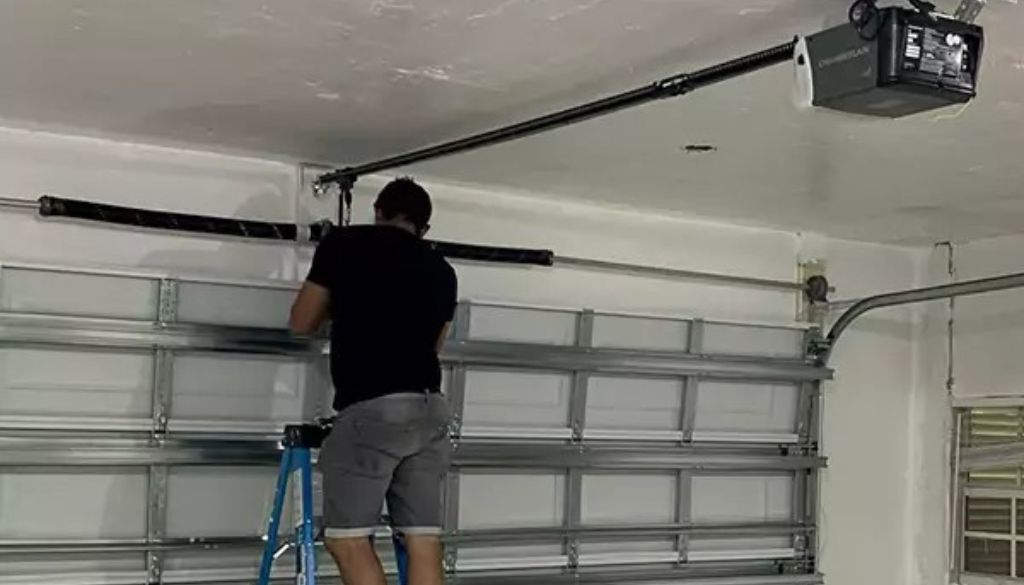
Look at the spring system above the door opening or along the straight tracks. Many modern-day doors use torsion springtimes placed on a shaft above the header. Some older systems utilize expansion springtimes that stretch along the tracks. That distinction issues because Garage door spring substitute is not an informal weekend break project. Torsion systems, particularly, shop adequate force to cause severe residential garage door repair injury if managed without the right bars, clamps, and training.
If you recently acquired your home, ask the vendor, contractor, or representative whether the door belonged to a current garage door setup. Even a rough mount date aids. A properly maintained door can last several years, however springs and openers have actually service lives measured even more by cycles than by fiscal year. A family that makes use of the garage as the major entrance might run the door four to 8 times a day, often much more. That adds up quickly.
Your first walkthrough ought to be slow and quiet
The most beneficial first inspection is typically the least dramatic one. Stand inside the garage with the door closed. Do not press the opener today. Just look.
Check whether the lower seal rests equally on the flooring. Daytime at one edge can suggest a floor slope, a warped panel, or a placement concern. Analyze the tracks for bends, gaps at placing brackets, or shiny wear marks where rollers are rubbing more difficult than they should. Look for loosened lag screws at the jamb braces and header. In more recent homes, mounting movement after resolving can somewhat shift these anchor points.
Then open the door and listen carefully. A healthy door has some mechanical noise, yet the noise must be constant. Sharp popping, a metal breeze, grinding, or a hefty shudder at one point in travel is worthy of attention. One of one of the most usual house owner descriptions is "it still works, however it seems angry." That is normally accurate. Garage doors usually warn you prior to they fail.
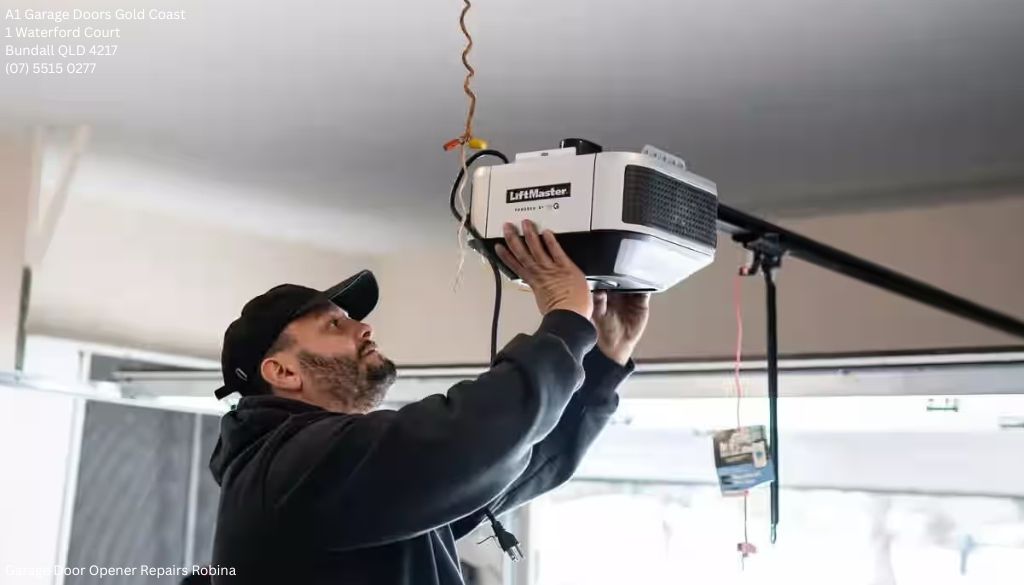
This is likewise the moment to inspect the opener rail, chain or belt, and the link arm in between the opener trolley and the door. If the door panels totter throughout traveling, the concern might not be the opener at all. A door that runs out equilibrium can make even a solid garage door opener appear weak.
The 5 checks every brand-new homeowner need to do first
- Test the door equilibrium by disconnecting the opener with the emergency situation release and raising the door manually to concerning midsection elevation. It needs to stay close to where you leave it, not collapse down or shoot upward. Inspect rollers, joints, and tracks for noticeable wear, splitting, corrosion, or loose fasteners. Nylon rollers with worn bearings typically get loud before they fail. Check the image eyes near the flooring on both sides of the opening. They ought to deal with each various other, reveal steady sign lights, and sit without dirt, cobwebs, or storage space clutter. Examine weather condition seals at the bottom and along the boundary. Weak seals let in water, dirt, insects, and cool air, and they can hide positioning concerns if ignored. Run the safety reverse test by placing a tiny piece of timber, such as a scrap 2x4 laid flat, in the door's path. The door needs to reverse when it calls the object. If it does not, stop using the opener till it is readjusted or repaired.
That short list catches an unusual share of usual problems. It additionally divides easy upkeep from real repair work. If the equilibrium examination falls short, for example, resist the lure responsible the opener. An opener is designed to lead a well balanced door, not make up for poor springs.
Balance tells you greater than almost anything else
If I can select just one diagnostic action for a brand-new home owner, it would be the equilibrium check. A garage door that feels much heavier than expected or declines to stay halfway open is informing you the spring system is refraining from doing its task. That can mean the springs are worn, one springtime has broken, or the door was never properly changed after a previous repair.
This matters because opener stress is often a secondary signs and symptom. Property owners often call about a "negative electric motor" when the opener is in fact fighting a door that has actually become too heavy. The opener might still move it for some time, but it does so by working much outside its intended tons. That added stress can remove equipments, loosen up braces, and reduce the life of the electric motor and logic board.
An appropriately well balanced dual door still carries weight to it, but it ought to really feel controlled. If it drops quick the minute you release, treat that as a high-priority service concern. Springs use progressively, numerous individuals do not observe the change until the door ends up being definitely hard to raise. Then, Garage door spring replacement is generally the appropriate repair, and it is a task for an experienced technician.
Rollers, tracks, and pivots be entitled to a more detailed look than they generally get
Most homeowners see panels and springs first. The smaller hardware typically obtains ignored till it begins shrieking. Rollers are a good example. Steel rollers can last a long time, however they obtain loud as they wear. Nylon rollers tend to be quieter and are common in newer doors, though lower-grade versions can fracture or develop sloppy bearings. A single falling short roller can make the whole door shake.
Tracks ought to look plumb on the vertical sections and degree to slightly pitched on the straight runs, depending on the arrangement. They do not require lubrication on the running surface area. As a matter of fact, an oily track commonly develops even more mess than benefit because it gathers grit. What helps extra is maintaining tracks clean and ensuring mounting brackets remain tight.
Hinges inform their own tale. Elongated screw holes, curved fallen leaves, or dark steel dust around pivot points suggest motion and wear. On wide doors, a stopping working facility hinge can show up as panel flex or an uneven travel pattern. Changing a used hinge is straightforward in some cases, yet if the panel itself is splitting around the hinge location, you need an even more cautious repair service plan.
Lubrication helps, however only in the right places
A little lube used appropriately can quiet a door and lower wear. Way too much, or the incorrect type, can produce crud and frustration. For most domestic systems, the best targets are roller bearings, hinge pivot points, the torsion springtime surface, and the bearing plates. Utilize a garage-door-specific lube or a light spray designed for metal relocating components. Hefty grease is typically not the answer.
Do not soak whatever. You want a light application, then a couple of door cycles to distribute it. Clean excess. Tracks typically need cleansing, not coating. The chain on a chain-drive opener may require small lubrication depending on supplier advice, while belt-drive systems call for a different method and are commonly quieter by design.
I when checked out a door that sounded like a freight lift and located the tracks covered in auto oil while the hinges were bone completely dry. The proprietor had actually been "lubing it every few months" and might not recognize why the noise maintained getting worse. Once the tracks were cleansed and the actual pivot points treated, the difference was immediate.
Safety sensors are easy up until they are not
The picture eyes near the flooring seem minor, however they are among one of the most common factors a garage door will certainly not close properly. If the door begins down and afterwards turns around, or the opener lights blink in objection, inspect the sensing units before assuming the opener has actually failed.
Dust, a bumped bracket, strong sunshine at a specific angle, or a box kept also near to the beam of light path can all create problem. On homes with kids, bikes, sports gear, and lawn devices, sensing unit positioning gets interrupted more often than many individuals understand. Clean the lenses carefully and confirm the indication lights are consistent. If one is dark or flickering, placement or circuitry might be the issue.
This is one location where your own troubleshooting can be valuable without ending up being high-risk. If the braces are noticeably curved, however, or if the low-voltage electrical wiring has been entwined badly for many years, require solution. Sensing unit troubles are simple when they are easy, and frustrating when they are not.
What the opener can and can not tell you
A garage door opener obtains blamed for several points that come from elsewhere. It is still worth checking on its very own terms. Keep in mind whether you have a chain-drive, belt-drive, screw-drive, or jackshaft unit. Belt drives are usually quieter and preferred in attached garages since they send less vibration into the space. Chain drives are resilient and typical, though they can obtain louder with age. Jackshaft openers liberate ceiling space yet rely on a door and spring system that remains in great condition.
Listen to the electric motor. A hum without motion can imply the opener is attempting yet stopping working to relocate the door, often due to a confiscated part or a door that is also heavy. Recurring operation can point to warmth protection, a falling short capacitor in some versions, wall surface control concerns, or reasoning board problem. Remote range problems may be as basic as weak batteries, however they can also originate from LED bulb disturbance, antenna damages, or receiver issues.
If you are moving right into an older home, reset gain access to codes and reprogram remotes today. That is a security step, not just a benefit action. Additionally examine the emergency situation release cable. It needs to hang accessibly, but not so reduced that it captures on car roof covering shelfs or stored items.
Signs that ask for a specialist, not a DIY attempt
- A spring is damaged, stretched extraordinarily, or shows a clear void in the coil. Cables are frayed, off the drum, or visibly slack on one side. The door is uneven in the opening, binds hard, or jams with one side higher than the other. Panels are broken at joint points or the top area is bowing where the opener arm connects. The opener force setups have actually currently been adjusted, but the door still has a hard time, turns around unexpectedly, or knocks shut.
These are not "see it for a while" problems. They are stop-and-schedule-service conditions. With springtimes and cords, specifically, the pressures entailed can turn a convenient fixing into a dangerous event extremely quickly.
Weather seals, water, and the surprise damage they cause
New homeowners frequently focus on motion and noise, yet sealing issues too. The bottom astragal and border climate removing keep out greater than drafts. They reduce wetness breach, prevent bugs, and assist protect against particles from accumulating in the track area. In cold environments, a stopping working bottom seal can adhere the piece overnight. When that happens, the opener might pull continuously versus a stuck door, emphasizing both the arm and the leading section.
Water intrusion is difficult on steel doors. It increases corrosion at cut edges and bottom retainers. On timber doors, it can trigger delamination, swelling, and surface failing. Also in a rather light climate, repeated wet-dry cycles reduce the life of trim and fasteners around the opening.
If one edge of the seal does not touch the floor, do not presume the installer did an inadequate work. Garage floorings commonly slope for drain, and lots of are not flawlessly flat. Occasionally the best response is a brand-new seal account or threshold. Occasionally the door requires change. Great domestic garage door repair work commonly entails fixing precisely this type of small but relentless mismatch.
Don't ignore the mounting points
The hardware connected to the house framework matters as high as the equipment attached to the door. Consider the springtime anchor brace, track brackets, opener header bracket, and ceiling hangers. In some garages, especially those made use of heavily for storage space or where vibration has gone unchecked for years, lag screws loosen up in framework. I have seen opener header braces hanging on by one persistent bolt while the various other openings had wallowed out in old lumber.
That type of movement changes the geometry of the system. It can make a formerly silent door noisy, change pressure setups, and slowly split panel add-on points. If you discover fresh timber dirt, broken drywall near the header, or a visible space behind a brace that must stick around, have it evaluated.
New develop, resale, and inherited shortcuts
A brand-new property owner in a just recently developed home deals with different garage door issues than a person purchasing an older resale building. In a brand-new construct, the door itself may remain in good shape, however minor settling and seasonal framing movement can affect track positioning and seal get in touch with throughout the first year or two. Builder-grade openers can also be basic systems that execute properly yet not especially quietly or smoothly.
With older resales, the larger problem is typically improvised repair work background. You might find unparalleled rollers, blended bolts, a global remote receiver zip-tied near the opener, or force setups turned up to mask a balance problem. Those are not constantly calamities, but they do mean you ought to inspect with healthy and balanced skepticism.
There is a lesson right here that crosses over from commercial garage door repair as well. In both property and business settings, duplicated tiny workarounds develop bigger failures. A door system compensates proper change and punishes faster ways. The range is various in a stockroom bay than in a country garage, but the principle is the same.
When replacement makes even more sense than repair
Not every issue need to be repaired indefinitely. Sometimes the best garage door repair choice is to quit repairing and plan for substitute. If several panels are damaged, the door does not have modern-day security features, the opener is undersized, and the springtimes are near end of life, the math may prefer a complete garage door installation.
This is specifically real when curb allure and energy performance matter. An insulated door with far better perimeter securing can make a connected garage a lot more useful year-round and lower noise. A contemporary opener with battery backup, smartphone controls, and quieter operation can also improve daily life greater than lots of homeowners expect.
That stated, replacement is not automatically the smarter choice. A solid door with excellent panel honesty and a quality track system may only require springs, rollers, and an opener refresh. The right solution depends upon the age of the system, availability of matching components, and whether the door's framework is still sound.
Build an upkeep rhythm you will really keep
Most garage door problems are easier to handle when you stop dealing with the system as undetectable. You do not require a complex schedule. A fast visual check monthly or 2, lubrication a number of times a year, and an equilibrium and safety and security reverse test at regular intervals will stop a great deal of trouble.
Tie those checks to something you currently do, such as altering a/c filters or getting ready for wintertime. If your garage is your key entrance, pay extra interest because usage is higher than you assume. Family members that come and go through the garage can acquire more than a thousand cycles in a year without recognizing it.
If you employ a technician, ask particular questions. Is the door well balanced appropriately currently. Are the springs appropriately sized for the door. Are the rollers original. Are the wires revealing age. A good service see need to leave you with a clearer image of what is urgent, what is routine, and what may require attention next year.
For a brand-new home owner, that is the genuine list. Know what you have, discover just how it appears and moves, respect the hazardous parts, and act early when the system adjustments. Garage doors seldom fail without caution. Most of the moment, they whisper first.