A garage door spring does not obtain much attention up until the day it breaks, extends, or begins making the entire door feel larger than it should. Then it ends up being the only point anybody intends to chat about.
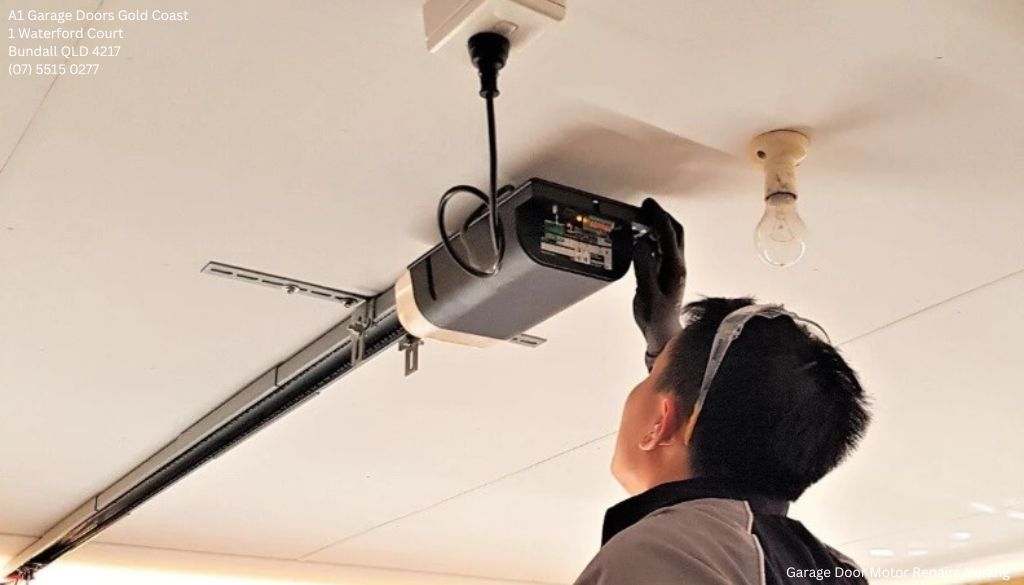
If you are attempting to determine between garage door spring replacement and repair, the response relies on more than whether the door still moves. Springs use gradually, occasionally for many years, and the warning signs are not always remarkable. A door can open crooked, slam shut, strain the garage door opener, or make a loud bang that sounds like something barged in the wall. In some homes, the spring fails at one time. In others, it deteriorates simply sufficient to produce an unsafe scenario that looks safe initially glance.
The brief variation is straightforward. Minor hardware concerns around the springtime system can often be repaired. The springtime itself, when broke, badly stretched, or near the end of its cycle life, is generally a replacement task. The method is understanding where that line is, and that issues due to the fact that presuming incorrect can harm the door, wear out the opener, or put someone in the path of a dropping panel.
What the spring in fact does
Most people believe the garage door opener lifts the door. It helps, yet the springtime does the actual hefty job. A conventional household garage door can weigh anywhere from 130 to more than 300 pounds, depending on size, insulation, windows, and material. Larger custom-made wood doors can go much higher. The springtime system counterbalances that weight so the door really feels convenient and moves smoothly.
When the spring is healthy, you can normally lift the door by hand with steady resistance. It ought to not fire up, and it should not collapse down. It needs to stay near to where you leave it if you stop halfway. That equilibrium is the entire point.
There are 2 common spring configurations. Torsion springtimes place over the door opening up on a shaft. Expansion springs run along the straight tracks on each side. Torsion systems are a lot more usual on newer installments due to the fact that they have a tendency to run more efficiently and are generally much easier to tweak. Extension systems still show up frequently, especially in older homes and some budget setups.
In both cases, the spring stores power. That kept energy is what makes this system effective, and what makes it hazardous when taken care of incorrectly.
Repair and replacement are not the same decision
A great deal of property owners utilize words fixing to indicate any spring-related service phone call. In the field, that is not how the work is typically split. A real springtime fixing typically means dealing with a related problem without mounting a brand-new spring. That might include changing stress, changing worn bearing plates, resetting loose equipment, dealing with cable television positioning, or dealing with brackets that have actually shifted under load.
If the spring itself is broken, broken, badly rusted, noticeably gapped, or has actually lost sufficient stress that it can no more counterbalance the door safely, substitute is the ideal relocation. Springs are wear elements. They are rated for a particular variety of cycles, with one cycle meaning the door opens and closes when. Criterion springs are commonly ranked around 10,000 cycles, though higher-cycle options are readily available and typically worth the added cost.
A family members that utilizes the garage as the major entrance can shed via cycles much faster than they anticipate. 4 trips a day is not uncommon, and that exercises to roughly 1,400 cycles a year. Include teenagers, dog strolls, package shipments, yard tools, and weekend website traffic, and the spring ages quickly.
When a fixing might be enough
Not every spring-related issue calls for complete garage door spring replacement. There are situations where the springtime is still structurally sound, yet the system around it is refraining from doing its work correctly.
A torsion springtime can be out of adjustment after various other parts wear down. Wires can come somewhat off track. Drums might move. Bearings can drag. A door that was when stabilized can begin to really feel uncomfortable or loud, although the springtime itself is still undamaged. In those situations, a competent garage door repair specialist may be able to restore appropriate operation with targeted service as opposed to changing the spring.
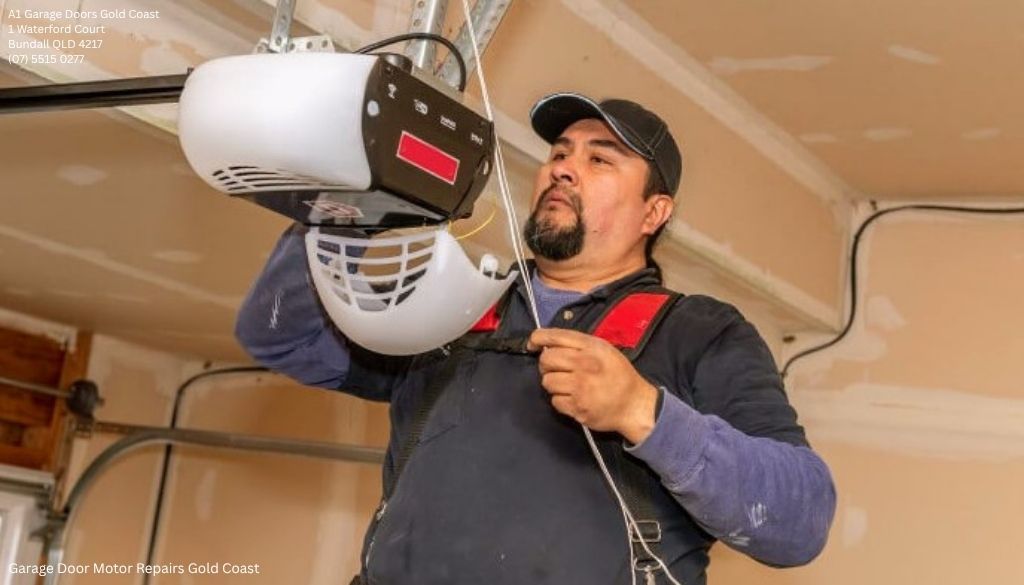
This comes up frequently after an effect. A chauffeur pushes the lower panel. A ladder drops against a track. A roller starts binding and modifications how the tons takes a trip through the system. The home owner notifications the door looks uneven and thinks the springtime misbehaves. In some cases it is. Sometimes the springtime is fine and the door requires a track adjustment, cord reset, or hardware tightening.
There is also a middle category that creates confusion: the door functions, yet not well. It might open slower than previously, be reluctant near the flooring, or make the garage door opener noise stressed. That does not instantly suggest the springtime can be fixed. It does mean the system needs to be examined before the opener obtains damaged trying to compensate.
A common real-world example is a door that starts to turn around on chilly mornings. Many individuals criticize the opener sensing units, and often that is appropriate. Yet I have additionally seen weak springtimes develop sufficient additional lots that the opener interprets it as a blockage. Adjusting force setups is not the right solution if the door balance is the actual problem.
When substitute is the best call
Once a spring breaks, the conversation typically finishes there. Replacement is called for. Springs do not obtain covered back together in any safe or long-term method. The exact same uses when the springtime is badly flawed, heavily rusted, or clearly nearing failure.
These are one of the most usual indicators that factor toward replacement:
- A noticeable space in the torsion springtime or a totally broken extension spring The door really feels extremely hefty when raised manually The opener pressures, stalls, or raises just a few inches The door bangs shut or will certainly not remain halfway open One springtime has actually stopped working on a two-spring system, and the various other is the same age
That last point deserves emphasis. If you have a two-spring torsion system and one spring breaks, replacing both is typically the smarter decision. Springs in a pair age together. If one has gotten to the end of its life, the 2nd is frequently stone's throw behind. Replacing just one can conserve money today, however it often leads to a second solution phone call quicker than expected.
For business garage door repair, the replacement choice tends to be much more uncomplicated. Commercial doors are much heavier, made use of a lot more frequently, and frequently linked to delivery timetables, safety worries, or organization accessibility. A limited spring in that environment is not just a hassle. It is downtime. When cycle matters are high and the price of disruption is actual, substitute is frequently the a garage door repair lot more cost-effective choice even prior to a complete break occurs.
Why "it still opens" is not a dependable test
Homeowners frequently judge the door by one requirement: does it fluctuate? That is easy to understand, but it misses just how the system in fact works.
I have seen doors with hazardously weak springs that still open because the garage door opener is doing job it was never ever created to do. Openers overview and control activity. They are not implied to dead-lift a complete door repeatedly. If the spring is falling short, the opener might maintain operating for a while, specifically if it is a solid belt-drive or chain-drive model. That does not imply the door is safe. It implies one more pricey component is now under stress.
A stressed opener can turn up as jerky traveling, humming, postponed beginnings, or a rail that shakes greater than usual. Occasionally the top section of the door bows slightly during motion since the opener is drawing versus an out of balance tons. In serious cases, the electric motor stress out or the cart assembly breaks.
This is one factor garage door repair must consider the system as a whole. A spring issue can masquerade as an opener concern, and an opener issue can sidetrack from a stopping working springtime. The ideal diagnosis issues greater than the initial symptom.
The age of the spring matters more than most individuals think
A springtime does not need to be damaged to be used up. In time, metal exhaustions. Stress adjustments. Deterioration weakens the coils. Also if the door still operates, an older spring might no more offer the proper counterbalance.
This matters since older springs often tend to stop working at inconvenient times. It is seldom during a calm Saturday mid-day when you are already cleansing the garage. More frequently it happens at 6:30 in the morning when a person requires to leave for job, or during heavy weather condition when the door has actually been cycling greater than usual.
If a springtime is near or past its predicted cycle life and the door is currently revealing signs of inequality, substitute makes more feeling than trying to eject a few even more months. That is particularly true if you are currently spending for a solution browse through. A small fixing on an exhausted springtime system can end up being a temporary patch with a second invoice attached.
Cost versus value, what home owners should weigh
It is appealing to contrast repair and substitute purely by price. A minor modification or hardware improvement will typically cost much less than a full springtime replacement. Yet price alone is not the ideal lens.
The better concern is value over time. If the springtime is healthy and the trouble is in other places, repair work is the wise choice. If the spring is old, mismatched, harmed, or near failure, replacement is normally the better worth also if the billing is greater that day.
On household garage door repair calls, I commonly inform people to take into consideration three points: age, equilibrium, and usage. A newer springtime with a clear adjustment problem is a repair conversation. An older springtime on a heavily made use of family members garage is usually a replacement discussion. A getaway residential property with reduced cycle usage may fall somewhere in between.
Garage door setup additionally transforms the formula. If you are setting up a new door, the springtime system need to be matched to the door weight and expected use. Reusing old or undersized springs to conserve a little money in advance commonly causes loud procedure, opener pressure, and shortened service life. A correct setup is not almost suitable panels and tracks. It has to do with balancing the entire assembly.
Single springtime versus double spring systems
This is where a great deal of sensible judgment can be found in. A single-spring system has one obvious substitute factor. When it stops working, the choice is straightforward. On a two-spring system, homeowners frequently ask whether both springtimes really need to be altered so one broke.
Technically, not constantly. Practically, often yes.
If both springtimes were mounted at the very same time, have similar wear, and one has already broken, the 2nd is typically close behind. Changing both restores even lifting force and minimizes the chance of an additional failure in the close to term. It likewise aids prevent inequality that can put on cords, rollers, and the opener.
There are exemptions. If one spring was changed recently and the various other is newer, replacing only the fallen short spring might be practical. However mixed-age springs need to be matched very carefully for size and lift attributes. This is not a component of the system where approximate is good enough.
Safety is not a marketing line here
Some home fixings are forgiving. This set is not. Garage door springtimes are under high stress, and errors can be fierce. A winding bar slipping from a torsion cone can cause major hand, face, or shoulder injuries. An expansion springtime without correct containment can launch with frightening force.
Most homeowners are comfortable transforming weather condition seal, tightening noticeable screws, lubricating rollers, or testing security sensors. Springtime job is a different classification. Even knowledgeable basic handymen sometimes prevent it unless they specifically take care of doors.
A proper solution call consists of greater than switching parts. The professional must confirm springtime sizing, check cords and drums, check the facility bearing and end bearings, evaluate the lower brackets, test equilibrium by hand, and verify that opener pressure and traveling are still correct after the door is rebalanced. That last component is frequently forgotten. A recently well balanced door may require opener changes so the entire system works together.
What a good specialist tries to find on site
A spring diagnosis should not take ten secs from the driveway. The noticeable break issues, yet so does the rest of the system. A mindful technician usually checks several factors prior to recommending fixing or substitute:
- Door weight and size, including whether the present spring is correctly matched Cycle wear, rust, and indications of steel tiredness on the spring Cable problem, drum wear, and track alignment Opener stress, force setups, and travel behavior Whether the 2nd spring or surrounding hardware is near failure
That more comprehensive inspection is one factor professional garage door repair commonly prevents bigger issues. A springtime might be the reason you called, but used rollers, cracked joints, or frayed cables are what turn a routine issue into an emergency situation a month later.
Residential and business needs are different
Residential garage door repair typically revolves around convenience, safety and security, and securing the opener and door areas from additional damages. In a home, a failed springtime can catch vehicles within, leave your house unsafe, or produce a loss risk for children and pet dogs. The fixing technique often stabilizes immediate expense with reliability for everyday household use.
Commercial garage door repair has a different pressure. Stockrooms, solution bays, store packing doors, and fleet structures rely on repeat cycling and foreseeable accessibility. Springs on commercial doors frequently carry much heavier tons and endure much higher cycle matters. Downtime can mean missed out on shipments, labor hold-ups, or safety and security gaps. In that setup, changing aging springs before complete failure is frequently an audio operating choice, not an unneeded upsell.
The same logic applies to high-use domestic configurations. If your house makes use of the garage as the primary front door and the spring is nearing completion of its life, a proactive substitute can be sensible.
The role of the garage door opener after springtime work
People are typically shocked to find out that a garage door opener trouble can vanish after spring substitute. That is due to the fact that the opener was never ever real issue. It was struggling against a door that had lost appropriate balance.
After any springtime solution, the opener ought to be checked very carefully. The door should move smoothly, reverse appropriately, and prevent jolting at the flooring or header. If the opener was strained for some time, related parts may still need focus. I have actually seen trolleys with used teeth, bent rails, and loose placing braces after months of compensating for a weak spring.
This is likewise a great time to think of the larger picture. If the opener is older, louder than it needs to be, or lacking standard security and ease features, spring substitute sometimes comes to be the moment home owners additionally assess an opener upgrade. Not because they must, yet because the system is already being serviced and rebalanced.
A sensible method to decide
If you are standing in the garage trying to figure out whether you need a repair service or complete substitute, the making a decision factors generally boil down to problem, age, and efficiency. A springtime that is intact and correctly sized yet influenced by a close-by equipment problem might be repairable. A springtime that is damaged, worn down, terribly rusted, mismatched, or clearly causing balance failing should be replaced.
There is no prize for getting every last day out of a tired spring. The drawback is too expensive. A damaged opener, a gone down door, a vehicle trapped inside, or an injury sets you back more than a timely replacement.
Good service is not about pressing the larger ticket. It is about matching the treatment to the real problem of the door. Occasionally that suggests a targeted garage door repair. Often it implies garage door spring replacement, ideally with both springtimes if they have aged together. And if the entire system is dated or badly matched, it may even bring about a wider conversation about garage door installation and long-lasting reliability.
The finest result is a door that raises efficiently, stays balanced, and stops asking the opener to do work the spring needs to be taking care of. When that takes place, the door gets quieter, more secure, and less costly to possess with time. That is generally just how you know the best option was made.