A garage door opener has a tendency to gain focus just when it quits working at the worst possible moment, throughout a storm, when you are already late, or after a long day when all you want is the door to open and shut without disagreement. That is the pattern with mechanical systems that function overhanging and unseen. They fade into the background till a grinding sound, a delayed feedback, or a door that reverses midway down forces the issue.
In the field, the most pricey solution telephone calls are typically linked to tiny indication that were simple to miss out on or very easy to delay. A home owner hears a new squeak and thinks it can wait. A building supervisor notifications a door shutting a little more challenging than usual and decides to handle it following month. After that a strained opener burns with a gear set, a trolley breaks, or the system goes out of placement and develops an actual safety and security concern. Good maintenance is not glamorous, yet it is more affordable than premature replacement and much much less disruptive than an emergency appointment.
A dependable garage door opener is not simply the motor device on the ceiling. It belongs to a system that consists of the door itself, the track, the rollers, the joints, the spring assembly, the safety and security sensors, the controls, and the weather around them. If the door becomes hefty because of worn springs, the opener pays the rate. If the track is filthy or the rollers are damaged, the opener compensates until it can not. That is why audio maintenance blends routine home owner contact the judgment to call for garage door repair when a trouble moves past fundamental care.
What everyday usage actually does to an opener
A normal residential opener may cycle 2 to six times a day, sometimes a lot more in a busy home with several motorists, institution pick-ups, shipments, and weekend tasks. That seems modest up until you stretch it throughout years. Also at 4 cycles each day, an opener sees well over 1,400 cycles a year. In colder climates, add temperature swings, tightening in steel components, thickened lubricating substances, and periodic wetness. In hotter areas, dirt and broadening products develop their own wear pattern.
Commercial doors can be far more requiring. A shop, stockroom, or service bay may put dozens of cycles on a system every day. In that setup, commercial garage door repair is typically less regarding unexpected failure and more about remaining ahead of exhaustion. Bearings, springtimes, drivers, and control systems use at a much faster price. Upkeep timetables require to mirror that reality rather than the lighter pattern of home use.
The point is easy. An opener does not fail in isolation. It ages according to workload, environment, and the condition of the door it lifts.
The first signs that maintenance is overdue
Most garage door openers do not go from healthy to dead overnight. They normally send out signals initially. Those signals are very easy to catch if you take note during regular usage. A healthy system has a relatively constant noise and speed. When you know that baseline, changes stand out.
Here are five indication worth taking seriously:
The opener sounds louder than normal, especially with grinding, standing out, or straining noises. The door hesitates, jerks, or moves erratically throughout travel. The door reverses unexpectedly or rejects to close unless you hold the wall surface button. The remote range gets shorter, or reaction comes to be inconsistent. The opener rail, chain, or belt vibrates exceedingly throughout operation.None of those signs instantly means significant failure. A loosened chain, unclean safety sensing units, diminished remote batteries, or dried out lubricant can all develop difficulty that is simple to take care of. Yet those very same signs can also indicate spring discrepancy, track problems, a falling short reasoning board, or used drive components. The worth of observing very early is that you still have options.
Start with the door, not the motor
One of the largest errors house owners make is dealing with the opener like the only device in the system. In technique, the opener is extra like the muscular tissue designated to move a door that should already be balanced and fairly very easy to raise. If the door itself is combating the movement, the opener functions harder every cycle.
A quick manual balance test informs you a lot. Pull the emergency release cable with the door closed, after that lift the door by hand. It needs to relocate garage door company Southport QLD efficiently and stay roughly in position when opened midway. If it bangs closed, shoots upward, or feels much heavier than expected, stop there. That usually indicates a spring issue or door imbalance, and those are not concerns to shrug off.
This is where experience issues. Property owners can take care of observation and standard treatment, however garage door spring replacement is not casual weekend break job. Torsion and expansion springtimes save substantial energy. When launched poorly, they can cause major injury. If the door is unbalanced, the smart step is to call a certified technician for residential garage door repair rather than ask the opener to maintain compensating.
Lubrication, done meticulously, extends solution life
Lubrication is one of the most basic maintenance tasks, yet it is often done improperly. Either every little thing obtains sprayed with the incorrect product, or nothing obtains lubricated for years. Both techniques produce preventable wear.
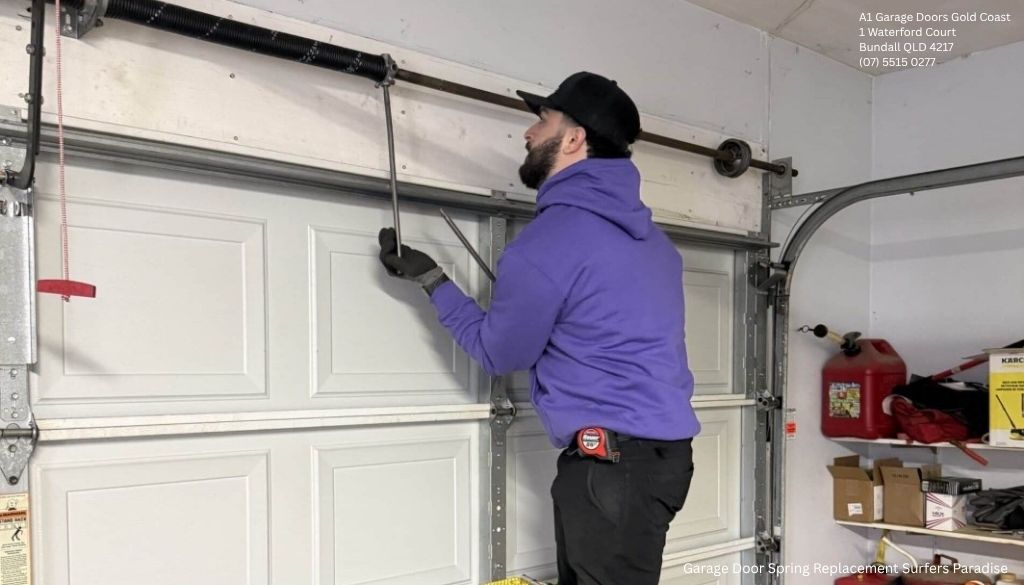
For most home systems, a garage-door-specific lubricant or a light silicone-based product functions well on relocating metal parts. Hinges, roller bearings, springtime coils, and the opener chain, if your unit uses one, might all advantage. The rail itself is a little different. On lots of opener designs, the rail must not be heavily greased because excess item brings in dust and grit. Belt-drive systems commonly call for even less attention because area. The maker guidelines matter right here since different drive designs have various needs.
What should not be utilized as a magic bullet is a heavy passing through spray indicated largely for loosening rusted bolts. It may make the door quieter for a short time, but it has a tendency not to supply the long lasting lubrication these parts need. I have seen doors that sounded penalty for a week after a generous spray, after that returned louder since dust had turned the deposit into rough paste.
A reasonable lubrication regimen, generally every couple of months depending on use and environment, can lower sound and wear. The trick is small amounts. A thin, targeted application beats a glossy layer on every visible part.
Safety sensors are entitled to more regard than they get
Photo-eye sensing units near the bottom of the door track are among the most forgotten elements in the entire system. They are additionally among one of the most vital. Their work is to stop and turn around the door if something goes across the light beam during closing. If the sensors are dirty, bumped out of positioning, or revealed to route glare at the incorrect angle, the opener may reject to shut properly.
Many homeowners first see a sensor problem when the door begins down, after that reverses, or when the opener lights flash and the remote suddenly seems useless. Usually the wall surface button will certainly still close the door if held continuously, which is the system telling you it is overriding a security disruption. That is a hint, not a workaround to count on.
Cleaning the sensor lenses with a soft towel and examining that both systems encounter each various other equally can fix an unusual number of solution telephone calls. Spider webs, yard debris, and light impacts from garbage can or bikes prevail wrongdoers. If the sign lights on the sensing units continue to be off or unpredictable after cleansing and standard placement, a technician ought to examine the electrical wiring or change the sensing unit set.
For families with kids or animals, sensing unit reliability is non-negotiable. This is one location where maintenance is directly linked to household safety and security, not just convenience.
Keep equipment tight, yet recognize your limits
Garage doors shake. Every cycle transfers activity with hinges, braces, supports, and the opener setting up. In time, that resonance can loosen bolts and bolts, particularly on older doors or systems installed on framing that has settled slightly.
A routine visual check is beneficial. You are looking for loose screws on track braces, drooping support bands over the opener, and pivots that show apparent play. Tightening up obtainable hardware can prevent rattles and reduce unnecessary activity. However judgment issues below. Not every noticeable fastener is a risk-free one to touch. Equipment linked to springs, bottom brackets, or tensioned cable systems ought to be left to experienced hands.
That distinction matters since many people listen to "tighten up the equipment" and assume all bolts are level playing field. They are not. A technician carrying out garage door repair knows which elements can be safely readjusted and which ones become part of a high-tension assembly.
Test the auto-reverse and force settings
Modern openers rely upon pressure settings and auto-reverse systems to detect resistance. If those setups drift or if the door itself comes to be tougher to move, the opener may either fall short to close safely or press too tough before reversing. Neither problem is ideal.
A standard examination can be done securely with a tough things put in the door's course, something like a scrap piece of lumber laid flat on the flooring where the door would certainly shut. When the door contacts it, the opener needs to turn around promptly. If it does not, the system requires change and should not be relied on until the problem is corrected.
The very same principle relates to hands-on resistance. If the opener appears to be using even more pressure than typical, do not simply increase the force setup and call it repaired. That is a short-term spot that commonly conceals the real concern, such as an unbalanced door, binding rollers, or track misalignment. Pressure settings ought to fine-tune operation, not bulldoze mechanical problems.
Remote controls, wall surface stations, and backup power
Not every opener problem involves mechanics. An unexpected number of service demands boil down to dead batteries, worn wall surface switches, disturbance, or obsolete control accessories. When a remote quiting working accurately, begin with the easy points. Replace the battery, tidy the calls if required, and verify the opener antenna hangs easily from the electric motor system rather than being put up or damaged.
If multiple remotes end up being unpredictable at once, electrical disturbance might be entailed. LED light bulbs in or near the opener have been known to disrupt some superhigh frequency. It does not occur in every setup, but it prevails enough to be worth remembering. Switching to bulbs classified as garage-door-opener compatible can fix an issue that or else looks mysterious.
Battery backup systems should have a mention also. In locations with regular interruptions, a backup system is more than an ease. It allows risk-free access when the power stops working and decreases the temptation to force the system. Like any kind of battery, however, it does not last forever. Check the status regularly and change it according to the manufacturer's timetable. A dead back-up is usually uncovered only when a person needs it.
Seasonal modifications impact performance greater than individuals expect
Garage door openers are revealed to problems that alter with the year, and those changes affect procedure. In winter months, steel contracts, grease tenses, and doors can ice up lightly to the floor seal. The opener may sound stretched on the initial cycle of a chilly morning even if it ran great the day in the past. In summertime, broadening materials, warmth in the garage, and air-borne dust produce a different set of stresses.
I have seen openers that worked accurately for many years until an especially cold wave revealed a borderline spring problem. The door was practically practical in mild weather condition, once the temperature went down, the opener no longer had sufficient margin to deal with the included stiffness. That is a beneficial lesson. Weather does not constantly develop the problem, it commonly exposes the trouble that was already there.
Seasonal upkeep ought to consist of a check out the bottom seal, sensor sanitation, lube problem, and the feeling of the door during hand-operated training. If the door begins adhering to the flooring throughout cold weather, stand up to need to keep striking the remote. That is exactly how gears strip and trolleys break.
New noise is details, not background
People obtain made use of to garage doors making some sound, especially older chain-drive systems. Yet new noise must constantly be dealt with as details. A rattling chain may require change. A screeching roller might require lubrication or substitute. A bang from the spring area can imply a broken springtime, which typically leaves the opener attempting and failing to raise the door.
One functional behavior I recommend is to stand inside the garage for a full cycle every couple of weeks and simply enjoy and pay attention. You discover a whole lot when you are not driving in or backing out. Does the leading area shudder near the header? Does one side lead slightly? Do the rollers stay centered in the track? Does the opener begin efficiently or lurch into activity? Those observations can aid you explain the concern precisely if you do require professional service.
That is especially beneficial for domestic garage door repair due to the fact that the trouble might disappoint itself when a professional arrives if the signs are periodic. A quick phone video of the door moving can save time and stay clear of guesswork.
Installation high quality sets the ceiling for lasting reliability
Maintenance can only do so a lot if the initial setup was inadequate. An opener mounted out of level, undersized for the door, or coupled with a door that was never ever correctly balanced will constantly have a much shorter and a lot more frustrating life. I have actually seen new units stop working early not since the items misbehaved, yet due to the fact that the garage door installment reduced corners.
Proper installment starts with matching the opener kind to the door weight, elevation, and use pattern. Belt-drive systems are frequently chosen in affixed homes because they run silently. Chain-drive versions are resilient and cost-efficient, yet they can be noisier. Wall-mount jackshaft devices conserve ceiling area and work well in specific arrangements, though they call for the best door and shaft setup. The very best option is not universal. It relies on the door, the building, and just how the area is used.
Commercial applications call for even more treatment. A business operator serving a moving steel door or sectional overhanging door needs to be chosen and set up based on cycle need, responsibility ranking, control requirements, and security requirements. When business garage door repair becomes frequent on a relatively brand-new system, it typically points back to an operator or element plan that did not fit the workload.
When substitute is smarter than duplicated repair
Most opener problems can be repaired, but not every fixing makes sense. Age, parts accessibility, security functions, and the problem of the door all form the choice. If an opener is fifteen to twenty years of ages, lacks present safety and security or protection functions, and is starting to need reoccuring service, substitute might be the better investment.
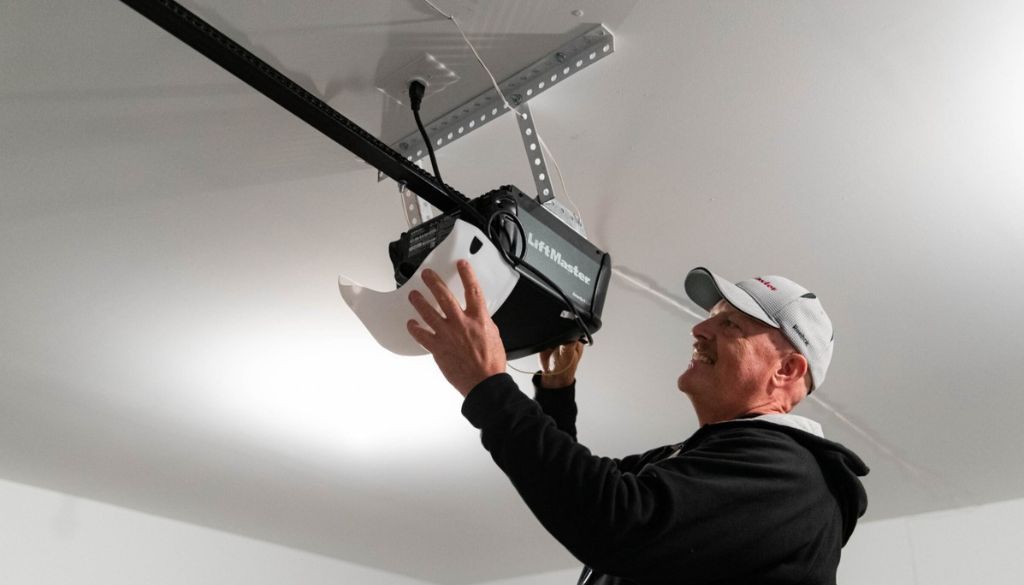
That does not indicate every old opener is automatically a problem. Some older units keep running for years with small care. Yet when significant drive parts, motherboard, or outdated accessories end up being tough to resource, the mathematics adjustments. A more recent garage door opener might offer quieter operation, rolling-code security, smartphone control, battery backup, and smoother travel, all while decreasing the chance of repeat calls.
A specialist analysis need to include the whole system, not just the motor. If the door itself is used, the rollers are falling short, and the springtimes are near the end of their cycle life, a wider plan may be much more economical than bit-by-bit fixes. In some cases the most effective route is opener substitute paired with targeted door equipment updates. In various other situations, a larger refresh connected to garage door installment makes more sense.
A useful upkeep rhythm that works
If you want a sensible schedule, not an idealized one that nobody follows, maintain it easy enough to come to be routine. For a normal home, this five-part routine covers most requires:
Once a month, enjoy a full open-and-close cycle and listen for adjustments in speed, resonance, or noise. Every 3 to 4 months, clean the photo-eye sensing units and check visible equipment and rollers. Twice a year, oil ideal moving get rid of a garage-door-specific product. At least two times a year, examination the equilibrium by hand by disengaging the opener, and stop if the door feels heavy or unstable. Once a year, schedule specialist solution if the door is heavily utilized, older, or showing any type of indicators of strain.That last point is where many property owners conserve cash in the long run. An experienced specialist can spot springtime fatigue, cord wear, travel-limit drift, and opener stress and anxiety before those problems turn into emergency situation failings. For busy families, older homes, or removed structures that tend to be disregarded, a yearly check is usually worth every dollar.
The line in between upkeep and repair
It helps to be clear concerning what belongs in each classification. Upkeep means cleaning, light lubrication, battery replacement, aesthetic inspection, and fundamental safety and security examinations. Repair service begins when something is damaged, out of equilibrium, electrically undependable, or connected to the spring and wire system. That is the factor where know-how matters, not because property owners are unable, but since overhanging doors integrate weight, tension, and power in manner ins which can fail quickly.
Call for garage door repair if the door really feels heavy, the springtime appears damaged, cable televisions are torn or off the drum, the opener hums without moving the door, the track is curved, or the security system will not function after fundamental cleansing and positioning. For springtime issues, do not wait. Garage door spring substitute is just one of the most typical and most important fixings in the trade because an unsuccessful springtime influences both safety and opener life immediately.
Reliable everyday use does not come from good luck. It comes from small checks done consistently, from listening when the system transforms its behavior, and from respecting the truth that a garage door opener is only as healthy as the door it moves. When those practices are in place, the opener does what it is intended to do, quietly, predictably, and without becoming the most frustrating component of your day.