A garage door is just one of those systems people stop observing when it functions well. It opens up at night, encloses the rainfall, seals out wind, and secures every little thing from vehicles to devices to saved supply. After that the climate adjustments, something moans or sticks, and the door suddenly comes to be the most essential moving component on the property.
Seasonal shifts put actual stress and anxiety on garage door systems. Steel expands and contracts. Lubricants enlarge or dry. Wetness locates its method right into rollers, tracks, panels, and electronics. Climate seals solidify, split, or swell. Springs lug a heavy load year-round, yet the demands on them transform with temperature level and usage patterns. That is why garage door repair requires tend to increase at the same times annually, specifically after the first cold wave, the first stretch of damp warmth, or a duration of storms.
Anyone that has actually worked around overhanging doors for enough time has seen the pattern. A door that ran quietly in late summertime begins snagging in November. A garage door opener that seemed penalty in springtime begins straining in August since the door balance changed and the opener is compensating. A bottom seal that kept out fallen leaves and water in one period becomes breakable in another, turning a dry garage floor into a moist one. These are not arbitrary failings. Most are foreseeable if you comprehend just how climate influences the hardware.
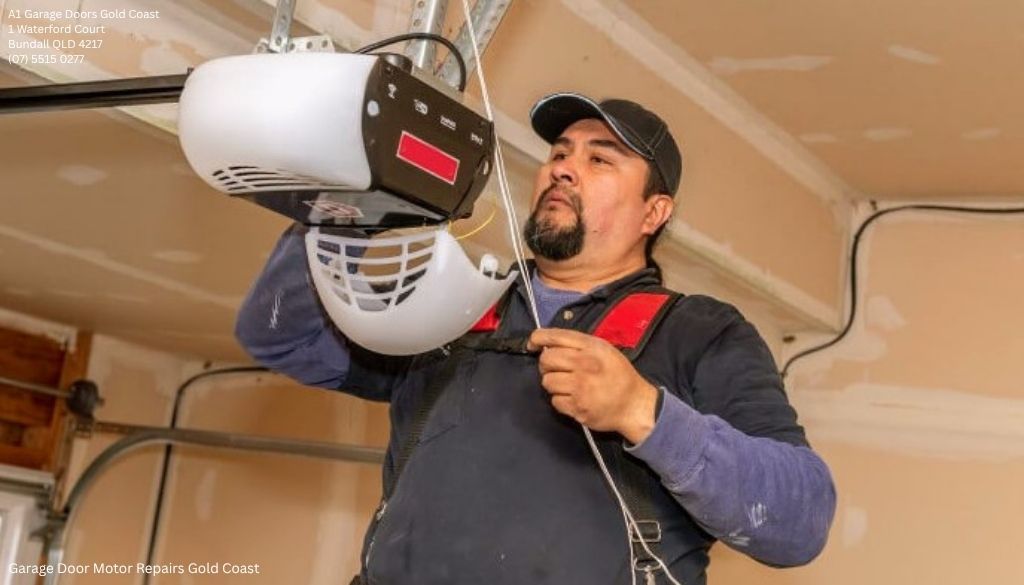
Why climate matters more than a lot of proprietors think
Garage doors are big, heavy, and mechanically basic in some ways, however they are not forgiving. A common household door can weigh anywhere from around 130 extra pounds to over 300 extra pounds, relying on size, building, and insulation. Industrial doors can evaluate a lot more and cycle much more typically. The springs do most of the training, the opener guides the movement, and the tracks, rollers, hinges, cables, and seals all need to remain aligned and responsive.
Seasonal weather modifications change that balance. Cold temperature levels can make metal components contract and stiffen lubes, raising friction. Warmth can soften particular materials, affect door panel alignment, and area a lot more demand on the opener if the door swells or drags. Rainfall and humidity invite corrosion, rot, and rust. Windstorms expose weaknesses in supporting and attaching. Freeze-thaw cycles are especially rough because wetness enters little spaces, expands when frozen, and progressively intensifies wear.
This holds true whether the residential property needs property garage door repair or industrial garage door repair. The range changes, however the mechanics do not. The weather condition does not care whether the door secures a family members car or a filling dock.
Winter brings the most evident failures
Cold weather is when lots of garage doors reveal problems that have actually been constructing quietly for months. Property owners often call after the initial tough freeze, saying the door was "great yesterday." What generally occurred is not an unexpected failure from nowhere. A worn roller, a weak spring, a dry joint, or an aging weather seal ultimately crossed the line as soon as temperature levels dropped.
One usual winter months problem is thickened lubricant. If the wrong product was used, specifically a grease that tenses in reduced temperatures, the rollers and hinges can become slow. The opener has to work tougher to relocate the door, which added effort appears as grinding sounds, reluctance, or reversal before the door fully closes. In removed garages this comes to be even more recognizable due to the fact that the area is colder and much less insulated.
Springs likewise behave in a different way in wintertime. Torsion and expansion springs are engineered for repeated cycles, but cool temperatures can make maturing steel much less flexible. If a spring was currently near the end of its life, wintertime is often when it snaps. Garage door spring substitute is just one of one of the most typical cold-season service requires that factor. In many cases, the proprietor records hearing a loud bang from the garage and later on uncovers the door will not raise more than a few inches. That bang is frequently the springtime breaking under tension.
Weather seals should have more focus than they typically get. The bottom seal can adhere the concrete if water has actually merged under the door overnight. When the opener attempts to lift the door, it might strain, reverse, or tear the seal. Side and top seals can additionally solidify and shed adaptability, letting in drafts, snow dirt, and wetness. Once that takes place, the garage becomes colder, and the door system experiences a lot more due to the fact that the equipment remains at a lower temperature level for longer periods.
There is also the battery aspect. Several contemporary garage door opener systems make use of backup batteries, wireless keypads, remotes, and security sensing units that can be conscious chilly. Batteries shed performance in low temperature levels. Sensor lenses mist up. Wiring that was hardly safe in autumn ends up being a problem in winter months when tightening impacts terminals and connections.
Spring exposes the damage wintertime left behind
When temperatures rise, numerous proprietors assume the worst is over. In practice, springtime is usually when concealed winter season damage becomes evident. A little corrosion that began throughout snowy months currently spreads. A track that changed slightly as a result of freeze-thaw activity in the framework starts showing positioning troubles. Water intrusion during winter months can leave wood trim puffy or steel bolts corroded.
Spring is a smart time for assessment since the weather condition is moderate and the system is much easier to analyze under regular operating conditions. This is frequently when service technicians locate torn cords that made it through wintertime however ought to not be trusted for an additional season, rollers with level spots, hinges starting to fracture, and openers that have shed their force and travel setups due to the fact that the door's movement changed.
For homes with attached garages, spring is likewise when owners observe power loss. A garage door that did not secure properly all wintertime may have let cold air reach nearby spaces, increasing home heating prices. If the door is older or uninsulated, springtime can end up being the decision point in between another round of repair services and a full garage door installment. That choice depends on the condition of the door, the state of the hardware, and whether the owner is trying to improve convenience, performance, curb charm, or all three.
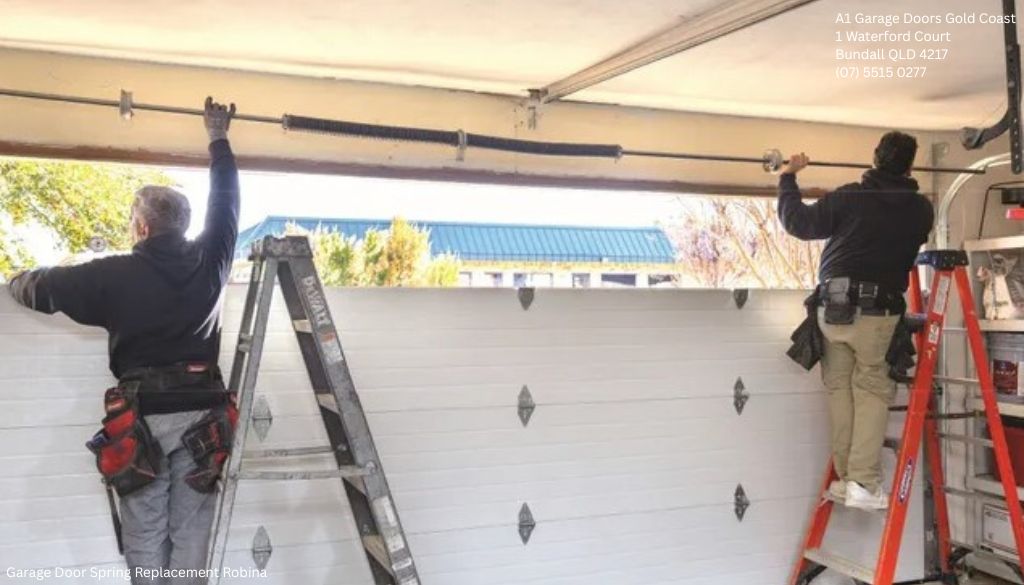
Commercial buildings usually really feel the influence in springtime with downtime. A warehouse or service center may not discover steady wear throughout a hectic season, after that find in spring that duplicated winter pressure has actually reduced the life of springtimes, rollers, and opener elements. Business systems typically cycle even more than domestic ones, so tiny efficiency losses accumulate quickly.
Summer heat develops a different kind of strain
Hot climate does not typically cause the remarkable failures people relate to winter, however it develops its own fixing pattern. Materials broaden. Doors can bind in tracks if placement is currently marginal. Wood doors may swell. Dark-colored doors, especially on west-facing garages, absorb an unusual amount of warm, which can influence panel security over time.
Garage door opener trouble prevails in summer season, especially in garages that obtain extremely hot. Motors and circuit boards operate within a temperature level range, and severe warm can reduce part life or create intermittent operation. An opener that is currently overworking due to the fact that the door is unbalanced may begin to overheat and close down briefly. Owners usually think the opener itself is faulty, yet the real trouble might be that the door has actually come to be larger to raise because of worn springtimes or enhanced friction.
Humidity adds another layer. In steamy environments, steel parts can begin corroding promptly if upkeep has actually been ignored. Rollers with unsealed bearings might come to be loud. Tracks build up gunk combined with dampness. Base seals catch moisture versus concrete, and timber mounting around the opening can begin to degrade. It is a quieter sort of damage than a busted spring, however with time it results in the same result: more frequent garage door repair calls and more costly components replacement.
Summer likewise often tends to raise use. Institution breaks, backyard tasks, traveling, and home enhancement job suggest extra open-close cycles. More cycles increase wear. A spring ranked for a standard cycle life does not care whether those cycles take place over 10 years or six. In active houses, summer season can press aging parts past their limit.
Fall is the period that rewards preventative work
If there is one season when garage door service pays off most clearly, it is loss. The temperature levels are normally modest, specialists can examine and readjust the system under secure conditions, and owners have a chance to handle weak points before winter months turns them into emergencies.
Fall is a suitable time to evaluate equilibrium. With the opener disconnected, a correctly balanced door should raise smoothly and hug mid-height without drifting greatly up or down. If it drops, the springtimes might be losing tension. If it climbs, they may be over-tensioned or mismatched. Either condition puts unneeded stress on the opener and changes just how the door reacts in cooler weather.
It is also the correct time to look at the small points that often come to be large points later on: broken boundary seals, loosened joint bolts, fraying lift wires, rust beginning at the bottom panel, and rollers that no more turn cleanly. A small solution see in fall can protect against a no-access garage on a cold morning.
For companies, fall maintenance has a lot more value. Industrial garage door repair during height winter months demand can mean hold-ups, while set up solution in autumn is less complicated to plan about. Filling docks, fleet garages, and solution bays operate better when doors are readjusted before cold weather reduces versatility in seals and increases strain on the operator.
The components most impacted by seasonal change
Not every element reacts to weather in the same way. Some stop working unexpectedly, while others weaken gradually till performance slips.
Springs are still the most consequential wear component. They bring the weight of the door, and when they compromise, everything else works harder. Seasonal temperature modifications annual garage door maintenance do not produce wear on their own, yet they reveal it. A spring near the end of its life is much more likely to fall short throughout a climate swing than a more recent springtime in excellent condition. That is why garage door spring replacement ought to never ever be delayed once equilibrium modifications become obvious.
Cables and rollers are close behind. Cords hate deterioration, and rollers hate dust, inadequate lubrication, and imbalance. In moist or coastal locations, even durable hardware needs routine attention. In cooler inland environments, dry problems can be simpler on corrosion however harder on lubricating substances and seals.
Panels and weatherstripping matter greater than many individuals understand. A bent panel can throw off the door's course. A broken bottom seal can allow water under the door, which after that ices up or feeds corrosion. On insulated doors, stopped working seals lower the value of the insulation because the air barrier is compromised.
Openers usually get blamed for troubles that start somewhere else. The opener is the noticeable equipment, so owners normally concentrate on it. However an opener that stress, turns around, or rattles may be responding to a door that is hefty, dragging, or out of alignment. Sometimes a new garage door opener is the best solution, specifically if the device is old, underpowered, or doing not have contemporary security functions. Just as frequently, the smarter repair work is remedying the mechanical tons the opener has actually been fighting.
Signs that seasonal wear is developing into a real repair issue
A couple of signs almost always be worthy of attention, particularly when they appear after a change in weather:
The door relocates unevenly, waits, or jerks during travel. New noises show up, such as popping, grinding, screeching, or a sharp bang. The opener strains, turns around all of a sudden, or fails to shut fully. Gaps show up along the floor or sides, allowing water, light, or drafts. The door feels abnormally heavy when operated manually.These warning signs frequently show up in clusters. A heavy-feeling door plus opener strain usually directs toward springtime or balance problem. Water breach plus sticking near the bottom typically recommends seal damage and poor drainage. Grinding plus irregular motion can mean roller or track concerns. The specific medical diagnosis relies on the door type and equipment, however the pattern is typically clear to a seasoned technician.
Residential and industrial demands are not the same
Seasonal fixing patterns overlap, however the action needs to be various relying on the building.
In residential garage door repair, the concerns are generally dependability, safety, and benefit. A family members might need the garage as the primary entryway to your home. If the door is stuck shut, no one can obtain the vehicle out. If it is stuck open, the home is subjected. Security matters specifically when kids are about, due to the fact that used sensing units, harmed springs, and improvisated repairs develop evident risks.
Commercial garage door repair has a tendency to entail greater cycle counts, bigger openings, heavier doors, and tighter operational effects. A packing bay door that opens up slowly in summer or embeds wintertime is not simply an inconvenience. It can delay deliveries, disrupt staffing, impact inner temperature level control, and boost power prices. Industrial drivers likewise tend to see weather-related seal failure much faster, since drafts and moisture impact supply and work conditions.
Garage door installment decisions vary too. For a homeowner, replacing an aging door may have to do with insulation, appearance, and reliable everyday usage. For a business building manager, the calculation usually centers on cycle life, downtime decrease, wind load performance, and serviceability. Seasonal stress and anxiety highlights weak points in both settings, but the price of waiting is commonly higher in industrial environments.
When repair suffices, and when replacement makes even more sense
Not every weather-related trouble requires a new door. In most cases, targeted repair work bring back trustworthy operation at a reasonable cost. Replacing springtimes, rollers, cords, seals, or an aging garage door opener can add years of life if the panels and track system stay in great condition.
Replacement begins to make even more feeling when multiple systems are failing at once. An old door with rusted bottom sections, inadequate insulation, noisy used equipment, and a battling opener might set you back even more to keep patching than to change. If the door has actually taken tornado damage, has panel bending, or no more fits the opening squarely, garage door installment can be the much more practical lasting choice.
There is likewise the performance angle. In environments with hot summer seasons or cold wintertimes, protected modern-day doors and far better border sealing can improve garage temperatures visibly. If the garage is attached, that can affect close-by rooms too. The cost savings are hardly ever significant enough to warrant substitute on power alone, yet when a door is currently nearing completion of its useful life, far better thermal performance ends up being a meaningful bonus.
Seasonal maintenance that avoids emergency calls
The best fixing technique is still prevention. A lot of emergency failures have a lengthy lead-up, and a little scheduled focus goes a lengthy way.
A simple seasonal solution regular normally consists of the following:
Inspect springtimes, cable televisions, rollers, hinges, and tracks for wear or corrosion. Lubricate relocating steel parts with products matched to garage door hardware and climate. Test door equilibrium and opener safety turnaround functions. Check and replace climate seals where light, water, or drafts are obtaining through. Tighten obtainable fasteners and validate track alignment and installing stability.What issues is consistency. A house owner that checks the door two times a year and reacts early to changes will typically avoid the most awful failings. A company that schedules upkeep based upon cycle matter and season will decrease downtime and expand equipment life.
One care that is entitled to emphasis: springtime and cord repair services are not regular do-it-yourself jobs. The kept stress in these systems is substantial, and errors can cause significant injury. Visual assessment and standard maintenance are sensible for several proprietors. Anything including springtime change, cord replacement, or major alignment must be dealt with by trained professionals.
Climate and geography alter the repair work calendar
The local climate shapes which repair services appear initially. In snowy north areas, cold seals, fragile weatherstripping, and springtime failures dominate winter season service phone calls. In warm southern environments, opener stress, panel expansion, and humidity-related corrosion appear more frequently. Coastal areas take care of salt air, which accelerates rust on metal parts. Dry inland climates can be simpler on rust yet harder on rubber and plastic components that fracture over time.
This is why generic upkeep advice just goes so far. The ideal lube in Minnesota might not be the very best selection in Florida. The door that carries out fine in an inland suburb might require upgraded hardware near the coast. Also within one city, a revealed wind-prone building will age in a different way from a sheltered property.
Experienced service technicians normally make up this without making a manufacturing from it. They understand which springtimes tend to fall short first in that market, which opener designs battle in unconditioned garages, and which door products stand up finest on sun-facing elevations. That kind of field judgment matters because seasonal wear is never ever simply theoretical. It is local.
A garage door is a seasonal system whether you prepare for it or not
Garage doors do not run in controlled research laboratory conditions. They reside in climate, take in dampness, face temperature swings, and cycle under load day in day out. The seasons are not a background. They are an energetic component of exactly how these systems age.
The useful takeaway is simple. If a door begins appearing various, moving in different ways, or sealing improperly when the weather adjustments, listen early. Prompt garage door repair is almost always less expensive and much safer than waiting on a complete failure. If the very same problems maintain returning, it might be time to assume past patchwork and take into consideration a more long lasting repair service approach, a brand-new garage door opener, or full garage door installation.
Owners who treat the garage door as component of the building envelope and not simply a relocating wall have a tendency to improve results. They take care of springtime fatigue before it ends up being a failure. They replace used seals before water gets in. They service openers prior to warm or cold transforms a small tons issue into a dead motor. And they comprehend that household garage door repair and industrial garage door repair are not responsive duties however part of maintaining gain access to, security, and property value with every season of the year.