A garage door looks straightforward from the driveway. It rises, it comes down, and if it is peaceful and balanced, no one believes much concerning it. From the installer's side, it is just one of the more ruthless systems on a home or business structure. A garage door setup loop structural anchoring, moving equipment, springtime tension, opener settings, electrical safety and security, weather condition securing, and everyday customer habits. When one component is off, the entire setting up tells on itself. It rattles, binds, reverses, droops, or burns via components years earlier than it should.
That is why numerous expensive callbacks map back to a tiny mistake made on day one. I have seen new doors scratch fresh jambs due to the fact that the opening was never checked for plumb. I have seen openers condemned for slow-moving travel when the genuine issue was an unbalanced door. I have actually additionally seen homeowners invest cash on repeated garage door repair since the original installment avoided fundamental alignment and reinforcement.
If you are preparing a brand-new installment, changing an aging system, or supervising service a property or business home, these are the mistakes worth avoiding.
Treating the opening like a typical dimension when it is not
One of one of the most typical errors happens before the truck is unloaded. Individuals presume the rough opening matches the small door size. On paper, a 16-by-7 door seems uncomplicated. In the area, stonework may be out of square, framing may have cleared up, and the header may not provide sufficient bearing surface area for the springtime system and track support.
A garage door does not forgive an opening that is somewhat wrong. Even a half-inch problem can turn up as unequal spaces at the floor, loud roller travel, or premature wear on joints and tracks. In older homes, the flooring often slopes towards the center or one edge. In light industrial buildings, obstruct walls can look right up until you establish a long level against them.
The appropriate technique is to gauge width, height, side room, clearance, and back area, after that compare those numbers to the specific door and equipment bundle being installed. That matters even more when a garage door opener becomes part of the job, since opener rail size, mounting height, and clearance all rely on the offered space.
A real-world example: a home owner once bought a shielded steel door online after determining just the opening width and height. When the installer arrived, there was not enough headroom for the standard torsion arrangement due to the fact that a completed ceiling went down lower than expected near the header. The task developed into a hold-up, a special-order low-headroom kit, and added labor that wiped out the initial savings.
Choosing the wrong door for the structure's real use
A garage door is not just a panel that fits the opening. The appropriate choice depends upon cycle regularity, environment, direct exposure, insulation requirements, wind tons, and that utilizes the door daily. A heavy wood-look door may look outstanding on a house, but if the household opens and shuts it 8 or ten times a day, that included weight modifications spring sizing, opener demands, and lasting upkeep requirements. On the commercial side, a door that looks long lasting sufficient may still be the wrong choice if forklifts, delivery web traffic, or shift adjustments imply lots of cycles per day.
This is where individuals create future garage door repair problems without recognizing it. They choose style initially and system efficiency secondly. That decision normally turns up later as loud operation, opener strain, or hardware fatigue.
For property garage door repair calls, one pattern comes up frequently: an ornamental door was set up with a lightweight opener and minimal reinforcement. It works at initially. After that seasonal growth, vibration, and regular usage begin to bend the top area. Over time, the opener arm begins pulling on a damaged attachment factor. The owner hears popping or sees the top panel bow during travel. The issue gets described as an opener trouble, but the origin is a mismatched installation package.
Commercial garage door repair tells a similar story at a larger scale. A rolling steel or sectional door mounted in an active solution bay needs hardware designed for high cycles and effect resistance. If the task uses standard-grade elements to strike a budget plan target, the building pays for it later on in downtime and repeat service.
Underestimating springtime layout and tension
Springs are not an accessory. They are the counterbalance system that makes the door useful. When they are picked properly and set effectively, the door really feels controlled and steady. When they are incorrect, every little thing else suffers.
A blunder I still see is dealing with springtime option as if just door size and elevation issue. Weight matters equally as much, frequently extra. The specific panel building, insulation, glazing, shows off, and hardware all affect the total lots. A heavier shielded door with windows can differ substantially from a basic uninsulated model of the very same size.
Improper spring sizing develops a chain reaction. The opener works harder, rollers put on faster, wires carry unequal lots, and the door might not stay at mid-travel when separated. That last examination, thoroughly carried out by a skilled installer, informs you a lot. A balanced door ought to hold fairly constant around waistline or upper body height. If it races up or drops hard, the springs are incorrect or improperly adjusted.
This is additionally why Garage door spring replacement need to never ever be dealt with as a laid-back add-on for a person without training and the right winding tools. Springs shop significant power. Injuries happen quickly when stress is launched all of a sudden or winding bars are made use of improperly. Also when no person gets hurt, poor spring job usually creates recurring service issues that set you back more than doing it right the initial time.
Using the opener to make up for a bad door installation
A garage door opener exists to overview and automate activity, not to drag an inadequately mounted door via its cycle. This is one of the clearest markers of lack of experience. If the door binds, feels heavy, or takes a trip unevenly by hand, no opener adjustment is going to make it healthy.
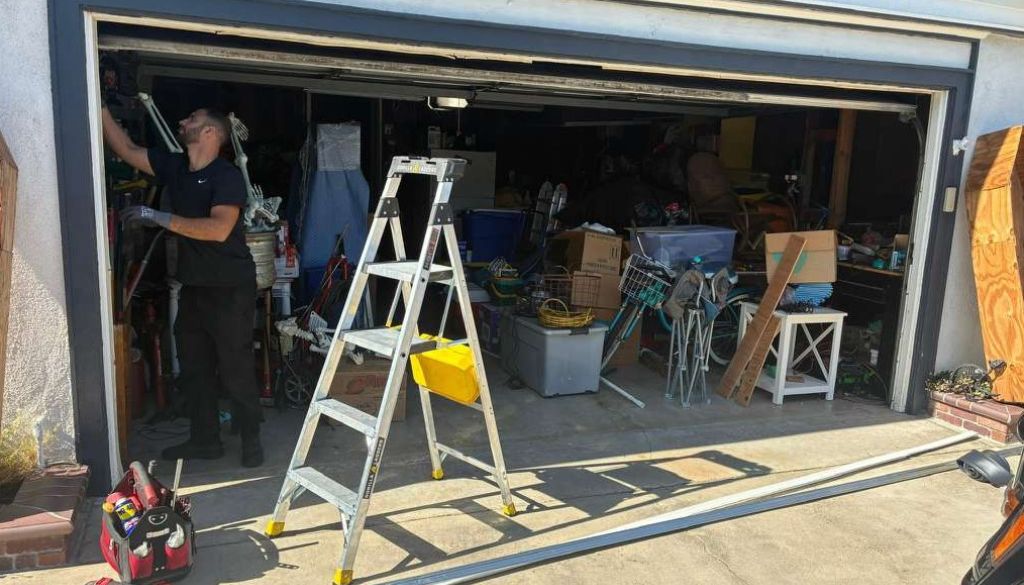
I have actually seen installers increase pressure settings due to the fact that the door delays near the header. That may get the door moving, however it does not fix the issue. Typically the underlying issue is just one of 3 points: track alignment is off, the spring balance is incorrect, or the top area geometry is pulling the door right into a bad course as it shifts from vertical to horizontal track.
An appropriately set up garage door should move smoothly by hand before the opener is linked. Just after that must the garage door opener be installed, take a trip limits set, pressure readjusted according to supplier support, and safety and security reversal evaluated. If the opener is working hard sufficient to sound stretched, something upstream is wrong.
This factor issues for safety along with longevity. An opener masking a mechanical problem may still close the door, yet the safety reverse system ends up being much less predictable when force settings are made use of to overpower resistance.
Ignoring structural support where it matters most
Modern garage doors, particularly wider insulated models, area genuine lots on accessory points. The facility bearing plate, end bearing plates, flag braces, straight track supports, and opener bracket all depend upon sound framework or effectively prepared structural surfaces. Securing into weak trim, cracked stonework, or undersized framework is an invite for movement and failure.
This is particularly vital in retrofit job. The opening may have water damages, termite damage, split jambs, or old jumble from earlier installations. Cosmetic surfaces can hide structural weak point. An installer who hurries this step may get the door up and running, yet after a period of usage the equipment starts to move. That is when tracks befall of placement, lag screws loosen up, and the door begins to sound rough.
Wider doors almost always require reinforcement on top area where the opener arm attaches. Without it, duplicated pulling force can misshape the panel skin or stile. On wind-prone properties, the demand for appropriate bracing and code-compliant equipment comes to be even more critical. A door is a large relocating wall. It must be treated accordingly.
Misaligning tracks, then really hoping the rollers will certainly use in
Tracks are overviews, not clamps. They need to be directly, level where ideal, plumb where needed, and spaced appropriately about the door areas. If one side is slightly tighter than the various other, the rollers inform the story right away. You listen to chatter, you see irregular wear, and the door may be reluctant at the same point every cycle.
A shocking variety of setup issues originate from the presumption that rollers will certainly "barge in" and smooth things out. Excellent equipment does work out a little with usage, however it does not correct misalignment. As a matter of fact, proceeded operation on misaligned tracks tends to put on rollers, joints, and bearings much faster, which presents extra play right into the system and aggravates the symptoms.
One sign of problem is daytime that alters throughout the side seal as the door steps. Another is a top area that appears to turn a little near full open. In practice, these problems frequently trace back to tracks that were installed in a hurry without examining spacing at multiple points.
For business garage door repair, track mistakes become much more turbulent because heavier doors amplify every tiny inconsistency. What might be a problem on a property door comes to be a closure problem on a stockroom bay.
Skipping seal and water drainage details
A garage door can be flawlessly aligned and still stop working the consumer if water, dust, or drafts pour via the border. Climate sealing is not the attractive component of garage door setup, however it is one of one of the most noticeable once the initial difficult rain hits.
Installers make mistakes below in two instructions. Some disregard the floor problem and think a standard bottom seal will compose the distinction. Others overcompress seals in an effort to hide a bad fit, which boosts friction and can affect door traveling. The right answer relies on the floor profile, regional climate, and door type.
Older garages usually have actually resolved pieces with a dip in the center. Because situation, a large bottom seal might help, yet only reasonably. If the flooring variant is serious, the far better remedy might entail limit therapy or piece adjustment instead of asking the door to fix a concrete problem.
Side and leading seals are worthy of equivalent interest. If they are mounted also tight, they drag and use quickly. As well loose, and the proprietor obtains light gaps, wind sound, and insect entry. On shielded doors, inadequate securing can likewise undercut the energy advantage the customer paid for.
Forgetting the little equipment that stops big headaches
Not every costly failing begins with a remarkable mistake. Some start with a missing fastener, an under-torqued set screw, or a wire drum that was not seated cleanly. A garage door system depends on many little parts interacting. When also one is disregarded, the impacts compound over time.
This is why seasoned teams establish habits that look virtually compulsive to outsiders. They reconsider set screws. They validate cable television tension side to side. They ensure hinges are set up in the appropriate sequence. They validate that bent and straight track joints are smooth. They examine roller stems, bearing plates, and spring support points before final operation tests.
Most of those details are invisible to the consumer on setup day. They become really visible six months later on if skipped.
Rushing last testing and handoff
A garage door job is not full when the door opens as soon as and shuts when. Final screening is where surprise installation errors show themselves. The door ought to be cycled several times. Manual equilibrium should be examined. The opener must be checked for travel limits, pressure settings, photo-eye feedback, and contact turnaround. Locks, if present, how to fix garage door need to be verified disengaged and plainly understood by the user.
This handoff is also where numerous service calls could be prevented. Proprietors require to recognize what typical noises are, what indication to watch for, and what upkeep is suitable. They must recognize that loud bangs, jerky traveling, uneven spaces, or a door that instantly feels heavy are not problems to disregard. In many cases, very early attention can transform a major fixing right into a minor adjustment.
The very same chooses commercial residential properties. Facilities personnel must recognize who is accredited to operate, check, and report concerns on each door. A quick orientation can avoid damage from someone requiring a lock, bumping a lower section with devices, or trying a dangerous reset after a spring or cable issue.
Trying to conserve money on the wrong parts of the job
Every setup has a spending plan, and wise cost control matters. The difficulty comes when the job saves cash in places that straight affect safety and security and service life. Less expensive rollers, thinner track, undersized springs, low-cycle equipment, and bargain openers often look acceptable on a quote. They hardly ever look appropriate after a year or 2 of real use.
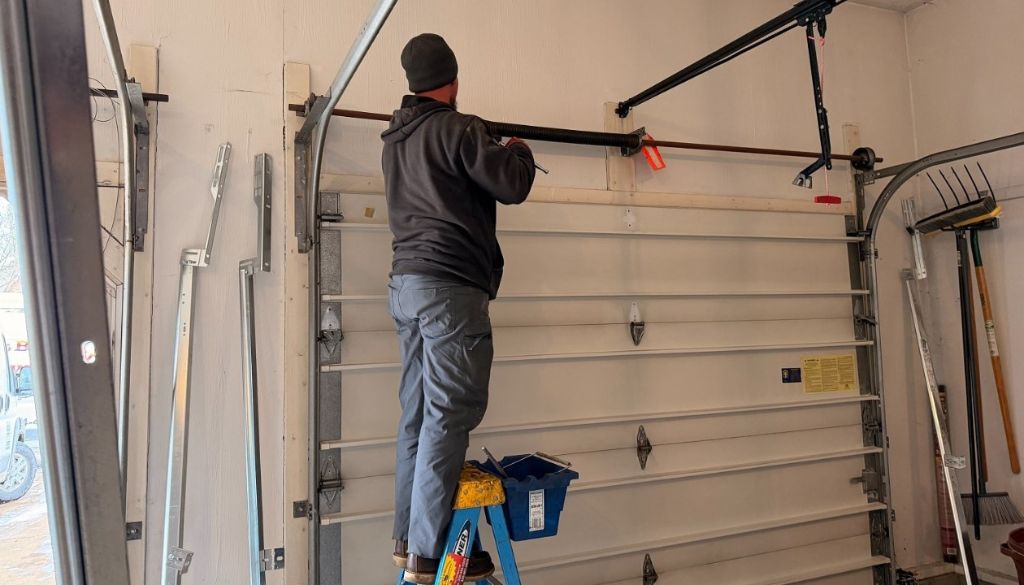
Where savings do make sense relies on the situation. A removed residential garage utilized a couple of times a day may not require costs features across the board. A hectic family members garage with living room above it usually benefits from quieter rollers, better insulation, and an opener created for smoother beginnings and stops. A high-cycle business opening ought to be seen through the cost of downtime, not just buy price.
One of the much more expensive lessons for owners is that replacing failed budget plan parts later on typically costs more than upgrading during installment. Labor, solution telephone calls, disturbance, and piecemeal compatibility concerns accumulate quickly.
Overlooking security gadgets and code-related requirements
Safety is where shortcuts end up being inappropriate. Image eyes must be correctly positioned, lined up, and tested. Hands-on launch gain access to should be convenient. Pinch points, spring settings up, and moving equipment all require appropriate safeguarding factors to consider based upon the application. Wind-load needs, fire door needs, and neighborhood code assumptions can additionally impact equipment and installment methods.
This area is simple to mess up when a project duplicates what existed prior to without asking whether existing criteria or use problems have altered. An old door might have run for years with marginal safeguards. That does deficient a design for a brand-new installation.
For mixed-use buildings and industrial homes, code-related problems end up being much more complicated. The door itself, the driver, the controls, and the emergency features may all lug needs depending upon occupancy and usage. That is another reason experienced industrial garage door repair and setup teams bring value past the hardware itself. They recognize where the threats usually hide.
The warning signs that indicate installment trouble
If a new door is already revealing issues, the symptoms often tend to be fairly constant. These are the signs I would certainly take seriously early, before minor adjustments become harmed hardware:
The door feels heavy or will certainly not hug mid-travel when separated from the opener. The opener strains, jerks, or requires high pressure settings to finish a cycle. You hear scraping, standing out, or repeated rattling at the very same factor in travel. Gaps at the floor or side seals are unequal and modification noticeably as the door moves. The leading area bows, spins, or shudders when the opener starts pulling.None of these must be written off as normal burglary habits on a fresh installation.
A better way to approach the project
Good garage door setup is less about rate and more regarding series. The crew that avoids callbacks typically operates in a disciplined order and refuses to let one element compensate for another.
A sound process generally includes the following checkpoints:
Verify the opening, framing problem, clearances, and floor account prior to finalizing hardware. Match the door, springtime system, and opener to actual door weight and predicted cycle use. Set tracks, bearings, cable televisions, and springtimes with careful attention to placement and balance. Connect and tune the garage door opener only after the door runs efficiently by hand. Test the complete system, consisting of seals and safety devices, then discuss operation and warning signs to the owner.That series is not attractive, yet it prevents an amazing number of failures.
Why experience matters greater than package label
Manufacturers supply the parts, but installment judgment is what makes a door reliable. 2 teams can function from the exact same product pile and create very different end results. One door moves silently for years. The various other becomes a frequent garage door repair client prior to the paint scent is gone.
That distinction comes from understanding when a wall is as well weak for the intended anchoring, when a flooring incline needs a discussion before the door increases, when spring calculations deserve a review, and when an opener setup is concealing a mechanical mistake. It additionally originates from respecting the threats entailed, particularly with torsion systems and Garage door spring substitute work.
For home owners, the functional takeaway is basic. Ask just how the opening will certainly be measured and examined. Ask whether the door will certainly be stabilized by hand before opener connection. Ask what reinforcement is consisted of. Ask just how the installer manages unequal floors and weather securing. If the answers are obscure, hurried, or focused only on how quick the task can be completed, that informs you something.
A garage door is one of the biggest moving elements on a building. Mounted well, it really feels simple and easy and fades into the history. Mounted poorly, it ends up being a reoccuring source of noise, fixing costs, and safety and security worries. A lot of the errors over are preventable, however only if the job is dealt with like a system, not a product swap.